Research proposal
AURORA 2.0
The factory birth of robots. A path toward enduring life.
Factories designed first to manufacture robots, with a long-term path toward bodies identical to biology in structure and function: potential substrates for mind uploading, personal continuity, and immortality.
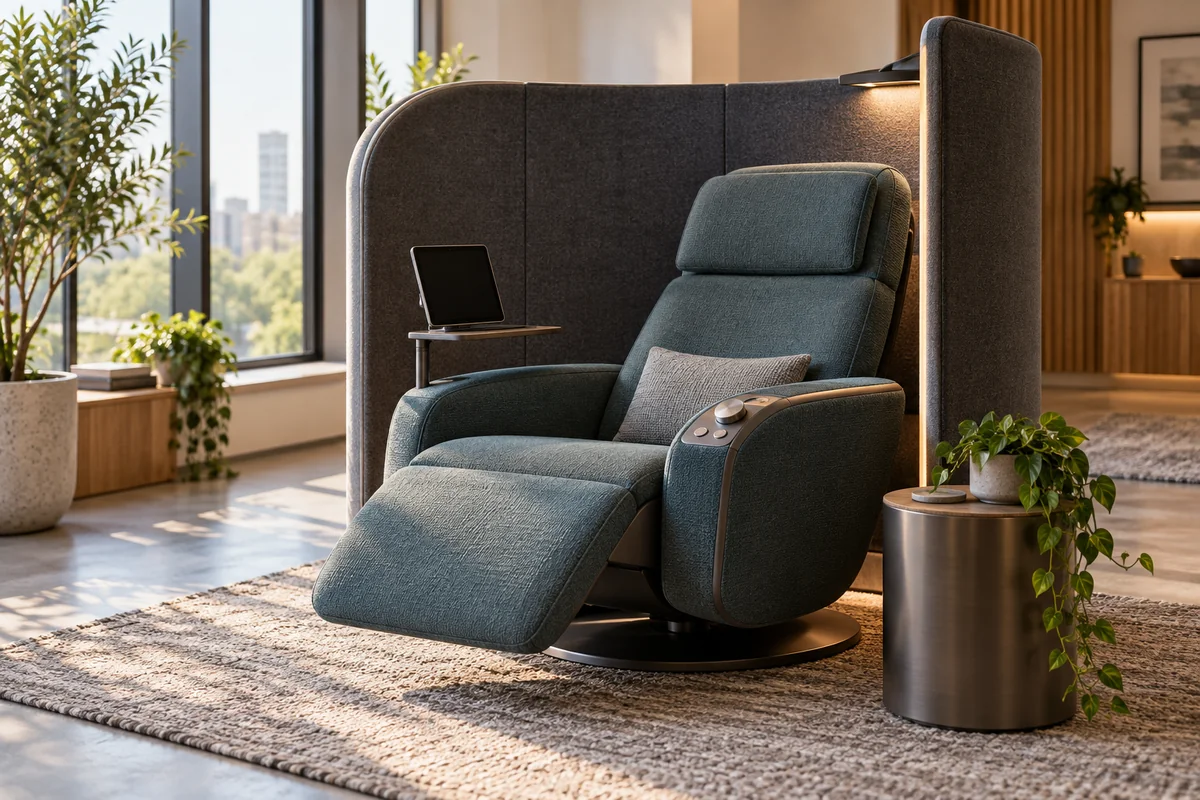
AI-generated concept imagery · imagined settings and equipment
Primary objective
Factories designed first for robots.
AURORA 2.0 begins with the factory “birth” of robots: manufacturing, assembly, testing, and commissioning across a proposed production network. The factories are designed for robots from the outset, with an intended combined capacity of millions of robots per day. As those robots become more sophisticated, the long-term goal is bodies identical to biology in structure and function, capable of serving as substrates for mind uploading and continued personal existence. Immortality is the ultimate ambition. Production at this scale, biological equivalence, and identity-preserving mind uploading are research goals. Emotional recovery and restorative rest remain supporting systems for the people and communities involved.
Begin today
The first concrete step.
Write the robot-factory system brief and a transparent capacity model. Define the initial robot design, daily production target, assembly and commissioning times, facility availability, component supply, and lifetime maintenance needs. Map the research steps from robotic bodies toward biological equivalence and a potential mind-upload substrate. Develop the voluntary recovery interface as a supporting workstream within that brief.
The LSM connection
AURORA connects the portfolio’s proposed energy, fabrication, housing, nutrition, and heat-management capabilities to robot manufacturing, maintenance, and the communities around it. Systems planning and the recovery-interface concept can begin with conventional methods. LSM contributions remain hypothetical; no demonstrated LSM mechanism for biological equivalence, mind uploading, regulating emotion, inducing sleep, or creating joy is assumed.
Current evidence & open ground
AURORA is a research proposal with no completed prototype or measured outcomes claimed. Its first engineering scope is a robot factory; biological equivalence and identity-preserving mind uploading require separate evidence and development. A manufactured body alone would not establish transfer of a person’s mind or immortality. For the supporting wellbeing system, sleep and individualized self-care provide a basis for studying rest and personally chosen assistance. Immediate sleep induction and guaranteed mood restoration remain unproven.
NHLBI — How sleep affects your health ↗Background on sleep, emotional regulation, and decision-making; it does not validate an instant emotional reset.
NIMH — Caring for your mental health ↗Background on individualized self-care, rest, relaxing activities, and social connection.
Questions that move the work forward
- What initial robot architecture can the factory manufacture, assemble, test, and maintain?
- What facility capacity, availability, component supply, energy, water, and heat rejection would a network delivering millions of robots per day require?
- Which advances would make robotic bodies identical to biology in structure and function, including sensing, regulation, repair, and neural compatibility?
- What would establish that a future substrate preserves a particular person’s memory, identity, and agency through mind uploading?
- How can emotional regulation and restorative rest support wellbeing and system stability while preserving each person’s preferences and autonomy?
- Which measures of production quality, reliability, lifetime support, resource demand, and reported wellbeing must govern any increase in scale?
System stability: emotional regulation and restorative rest
Emotional state influences human action. AURORA therefore includes emotional recovery as a supporting system for the people and communities around its robot-factory network. The proposed contribution to stability is dependable care, reduced distress, and the ability to recover and choose what happens next. Each person selects the assistance they welcome; automatic support carries out those preferences while remaining interruptible and adjustable.
First: the factory birth of robots.
Design factories for robot manufacturing, assembly, testing, and commissioning, with proposed combined network capacity of millions of robots per day. Connect that production rate to component supply, energy, heat rejection, quality control, and lifetime maintenance.
Long-term: biological bodies and personal continuity.
Advance toward robots so sophisticated that their bodies are identical to biology in structure and function. The ambition is for these bodies to become substrates for mind uploading, enabling continued personal existence and ultimately immortality. Progress requires both a capable body and a way to preserve memory, identity, and agency; neither follows from production capacity alone.
Supporting system: restorative autonomy.
The recovery cycle below serves the wider system’s stability by supporting the people within it. It is part of the care architecture throughout life.
- Recognize. Use voluntary check-ins and optional measurements to notice possible distress. The person’s account takes priority over an inferred emotional state.
- Support. Activate previously chosen comforts: quieter surroundings, reduced demands, a break, or contact with someone trusted.
- Restore. Offer a comfortable opportunity for rest or natural sleep. Immediate sleep induction and guaranteed mood restoration remain unproven research goals.
- Reassess. After recovery, let the person decide what happens next—including changing the circumstances that caused distress.
Preserve the meaning of emotions.
Recovery should preserve memory, preferences, disagreement, and the ability to recognize an unmet need. Resentment may identify something that needs changing. A successful system helps the person address that information.
Measure capacity and wellbeing together.
Track proposed robot production alongside quality, reliability, lifetime support, and resource requirements. Evaluate the supporting recovery system through the person’s reported comfort, sense of control, satisfaction, and ability to pursue meaningful goals. Every participant retains the freedom to decline assistance and refuse work.
The long-term continuity objective carries a lifelong commitment to the wellbeing and autonomy of each person who chooses such a substrate.
Proposed milestones / not completed results
A path to evidence.
Define the robot-factory system
A system brief with an initial robot architecture and millions of robots per day as the proposed network capacity objective.
Advance when: Specify fabrication, assembly, testing, commissioning, repair, and the assumptions behind the target scale.
Model capacity and lifetime support
A scenario model connecting daily robot production to component supply, assembly capacity, facility availability, energy and water demand, heat rejection, and maintenance.
Advance when: Show the assumptions and bottlenecks at each scale; account for lifetime support and the needs of surrounding communities.
Develop the biological-equivalence pathway
A staged research map from robotic bodies toward bodies identical to biology in structure and function, and potential substrates for mind uploading.
Advance when: Define measurable requirements for bodily function, repair, neural compatibility, memory, identity, and agency; evaluate personal continuity separately from body manufacture.
Prototype the supporting recovery system
A voluntary, noninvasive interface and recovery-space concept using fictional scenarios, followed by a proposed evaluation plan.
Advance when: Show recognize–support–restore–reassess, with clear pause and cancellation. Any later study requires willing participation and reports wellbeing, discomfort, and sense of control.
Visitor feedback
Comments or suggestions?
Share your thoughts on AURORA 2.0. Your message goes to the site owner’s private inbox.
No sign-in required. Your message and optional contact details are saved privately for review, not published. Add an email address if you would like a reply; a response is not guaranteed. Please avoid sensitive information.