Feasibility study
Meridian
A supported corridor. A route toward orbit.
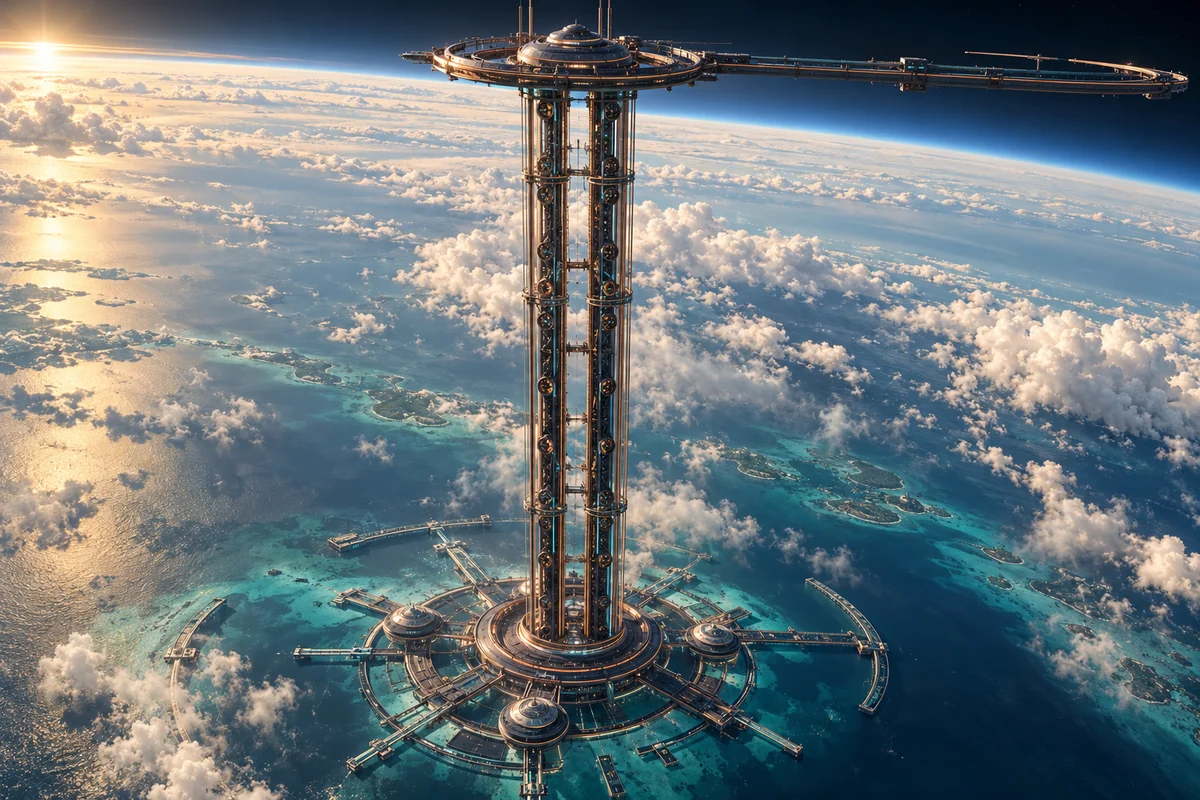
Study an Earth-anchored kinetic-support system reaching 300 km, with a separate eastward orbital accelerator.

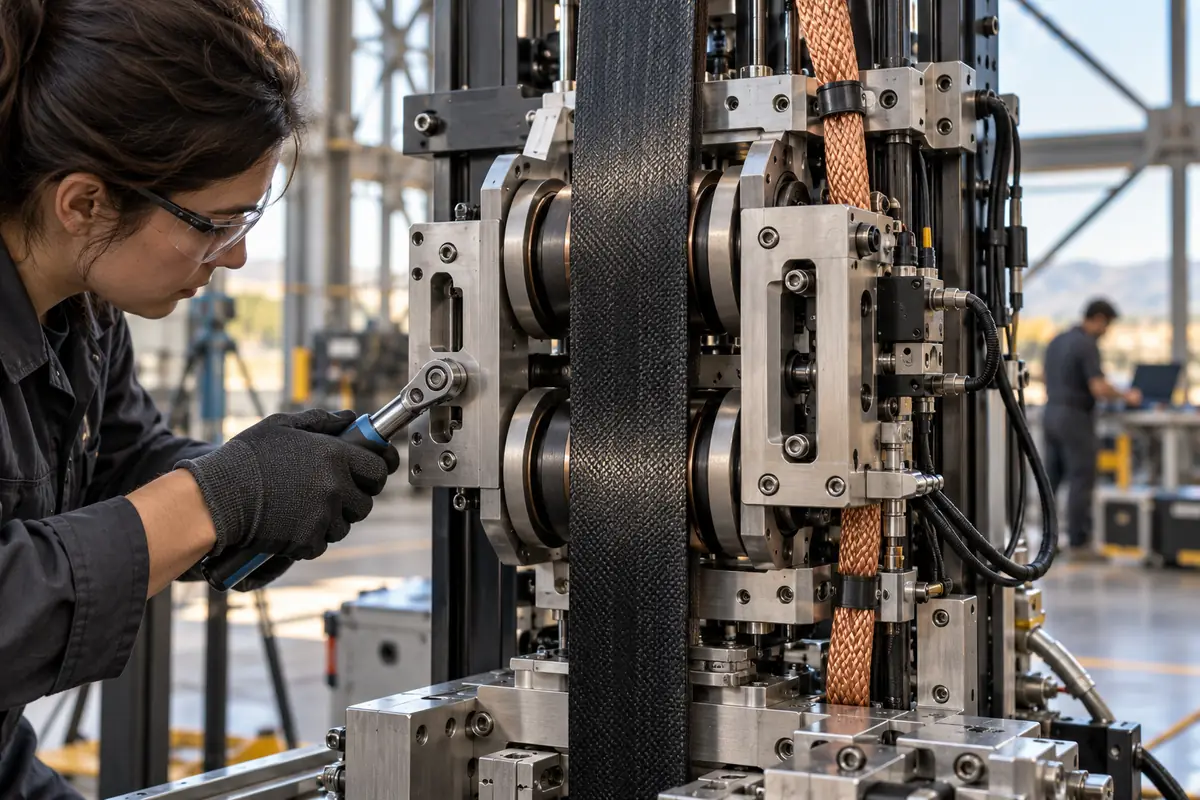
AI-generated concept imagery · imagined settings and equipment
Next review · October 2, 2026
Support–carrier–conductor–radiator mass iteration
Architecture aligned; model work queued · Lead: Ben Đ Om
Acceptance: Retain failed cases and show whether mass and power converge; use measured component data before hardware scale-up.
Resources: Model-only phase; construction not allocated. This is a planning allowance, not a funded commitment.
Download the experiment work pack · View the next work cycle
The vision
What this could become.
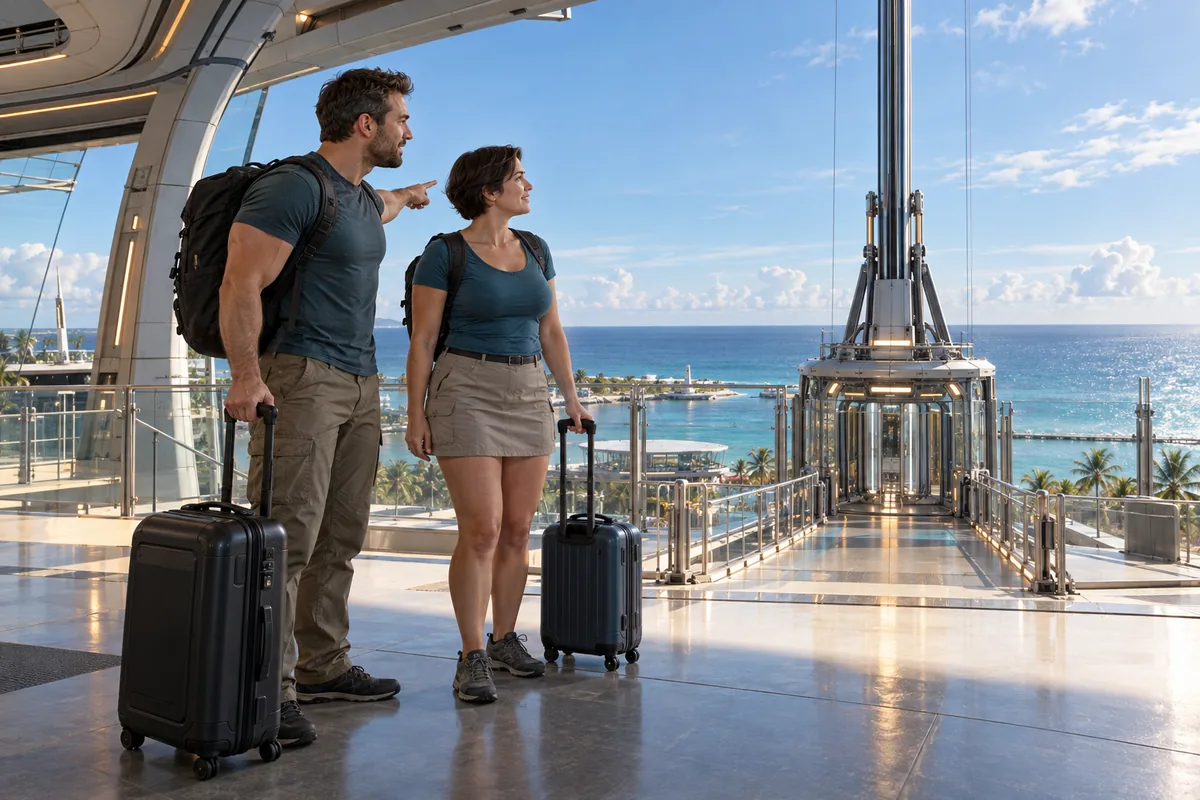
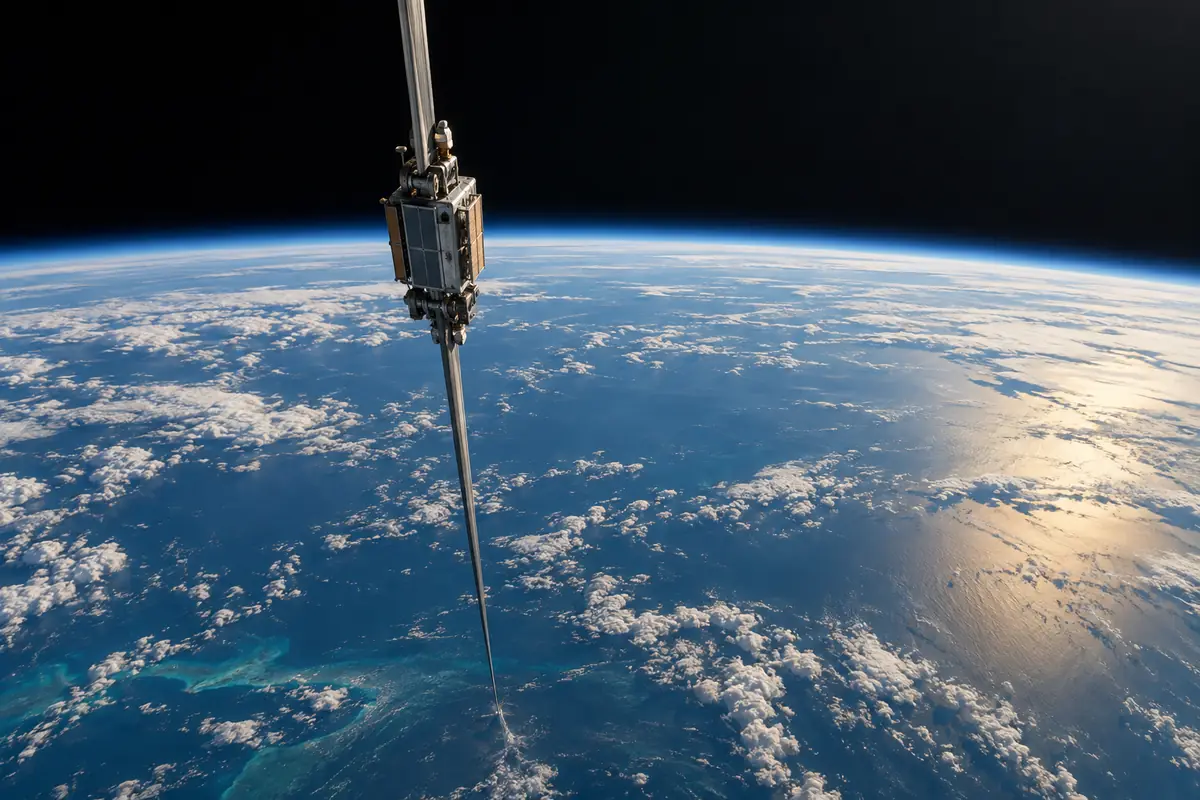
Meridian investigates continuous access from an equatorial ocean base to a 300 km terminal. Circulating carriers transfer momentum to support a guideway and elevator corridor; a separate accelerator supplies the horizontal velocity required for orbit. The architecture is a space-fountain concept with active support.
Begin today
The first concrete step.
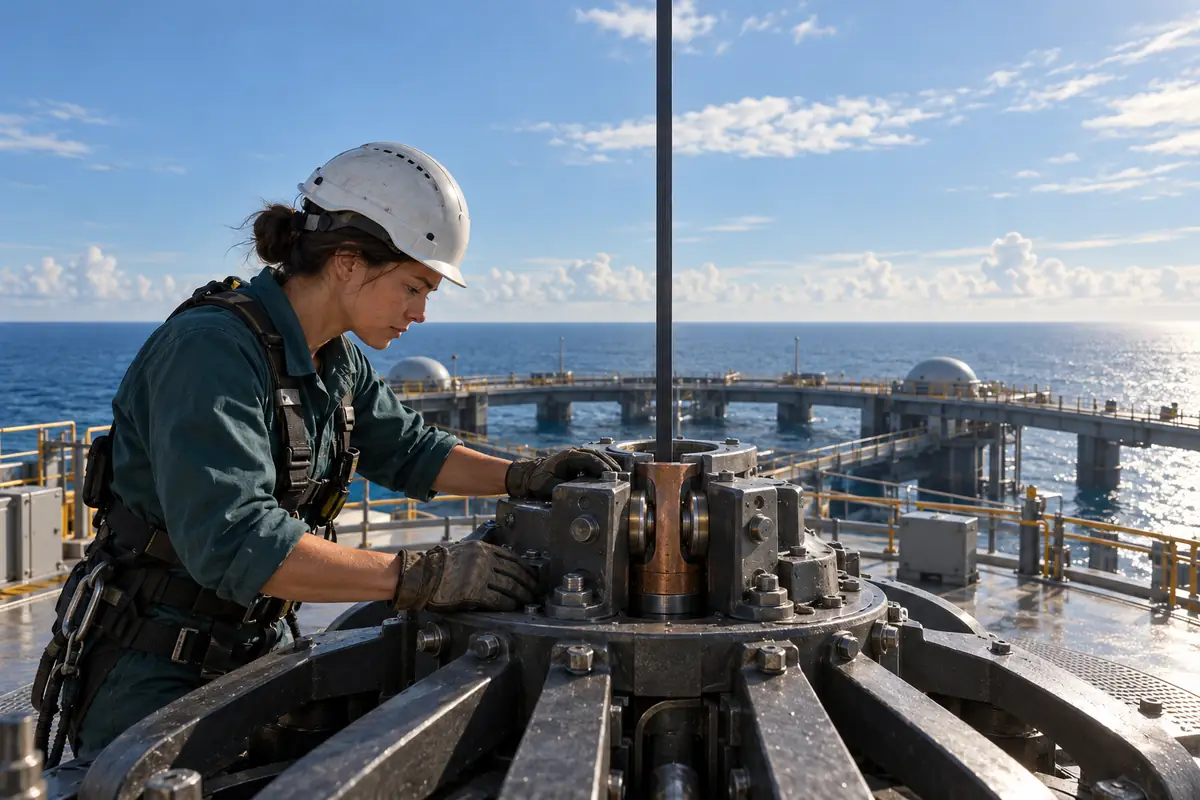
Reconcile the support, moving-carrier, conductor, radiator, and accelerator masses in one model. Develop a contained support-cell experiment before any tall structure. Use measured component efficiency to decide whether the distributed-braking architecture can meet a declared operating-power ceiling.
The LSM connection
Meridian connects the broader LSM program to transport and fabrication research. The current support model uses explicit momentum and energy accounting and does not assume a demonstrated LSM power source or special material. New materials and power systems must enter the same mass, loss, and stability budgets.
Current evidence & open ground
The retained September 20, 2026 Revision 1.0 feasibility study models 4.147 TW of processed support power. Its selected 85% round-trip-regeneration case requires approximately 655 GW of support electricity, or 663 GW including selected auxiliaries. These are conditional model results for the stated mass envelope, not measured operating performance. Major utility and accelerator masses remain unclosed. The study supports bounded subsystem research and does not support full-scale construction of that configuration.
Questions that move the work forward
- Which momentum-transfer topology reduces processed support power without introducing an uncounted reaction or energy source?
- Does iteration of guideway, carrier, conductor and radiator mass converge with stated reserves?
- Can measured efficiency and support stability satisfy the selected operating-power and fault-response limits?
- How will the separate orbital accelerator be supported, powered, cooled and recovered after a fault?
What the retained study establishes
At 60 mph, the ideal 300 km climb takes 3.107 hours. The terminal still needs about 7.239 km/s of eastward velocity relative to the rotating structure; a 3g accelerator is approximately 891 km long. Altitude alone does not place a payload in orbit. The 663 GW screening total is incomplete rather than a final system rating. An optional ionospheric collection experiment receives no baseline power credit. A conventional geostationary tensile elevator is a separate comparison architecture; earlier tether imagery is retained as historical concept art.
Proposed milestones / not completed results
A path to evidence.
Close the system
A reproducible support–mass–power iteration with all utilities, carrier inventory and accelerator requirements.
Advance when: Every mass and energy transfer is counted once; publish converged cases and failed cases.
Measure one support cell
A contained ground experiment measuring force, carrier momentum, electrical energy, returned energy and heat.
Advance when: Demonstrate balance closure within declared measurement uncertainty and controlled shutdown at the selected low-energy test envelope.
Earn a larger demonstrator
A coupled structural, guidance and control model informed by the measured cell.
Advance when: Advance only after measured component data, containment, stability and a declared operating-power ceiling are satisfied.
Visitor feedback
Comments or suggestions?
Share your thoughts on Meridian. Your message goes to the site owner’s private inbox.
No sign-in required. Your message and optional contact details are saved privately for review, not published. Add an email address if you would like a reply; a response is not guaranteed. Please avoid sensitive information.