Feasibility study
Deepview
Bring the deep Earth into human view.
A drilling and observation program to investigate Earth’s interior, with direct human observation as a distant horizon.
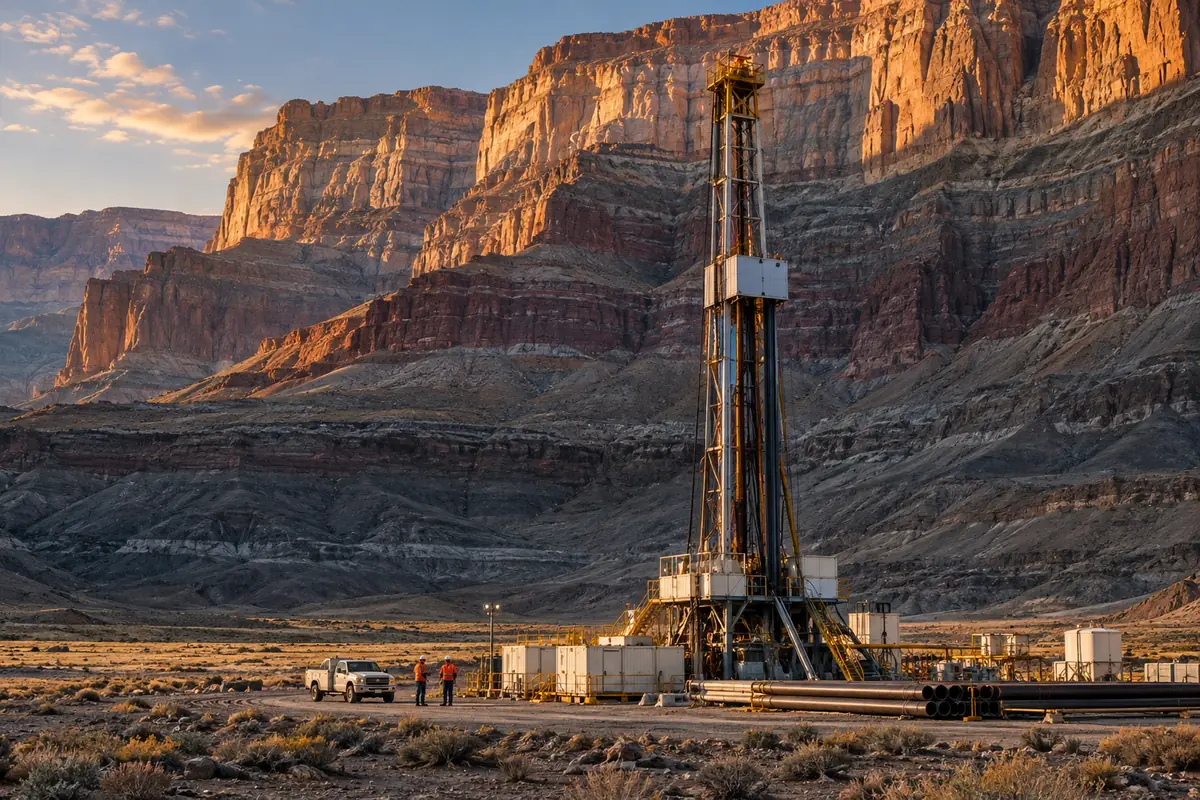
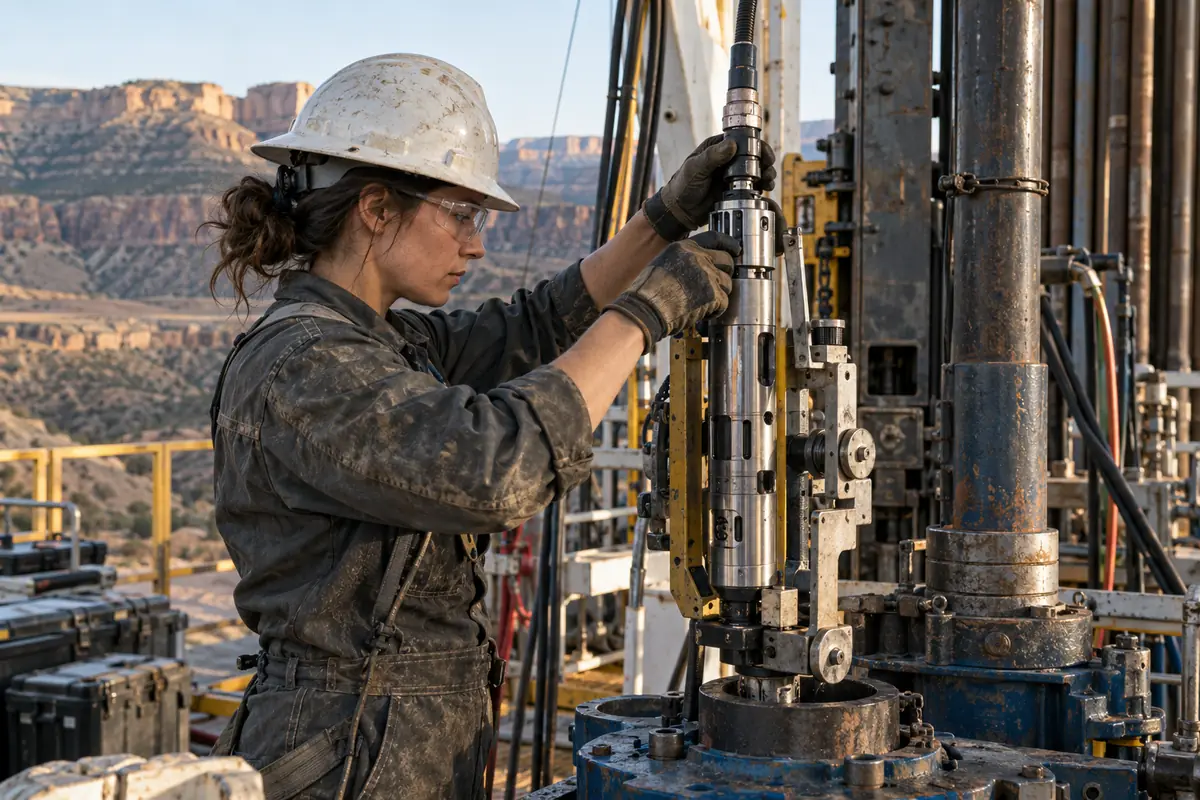
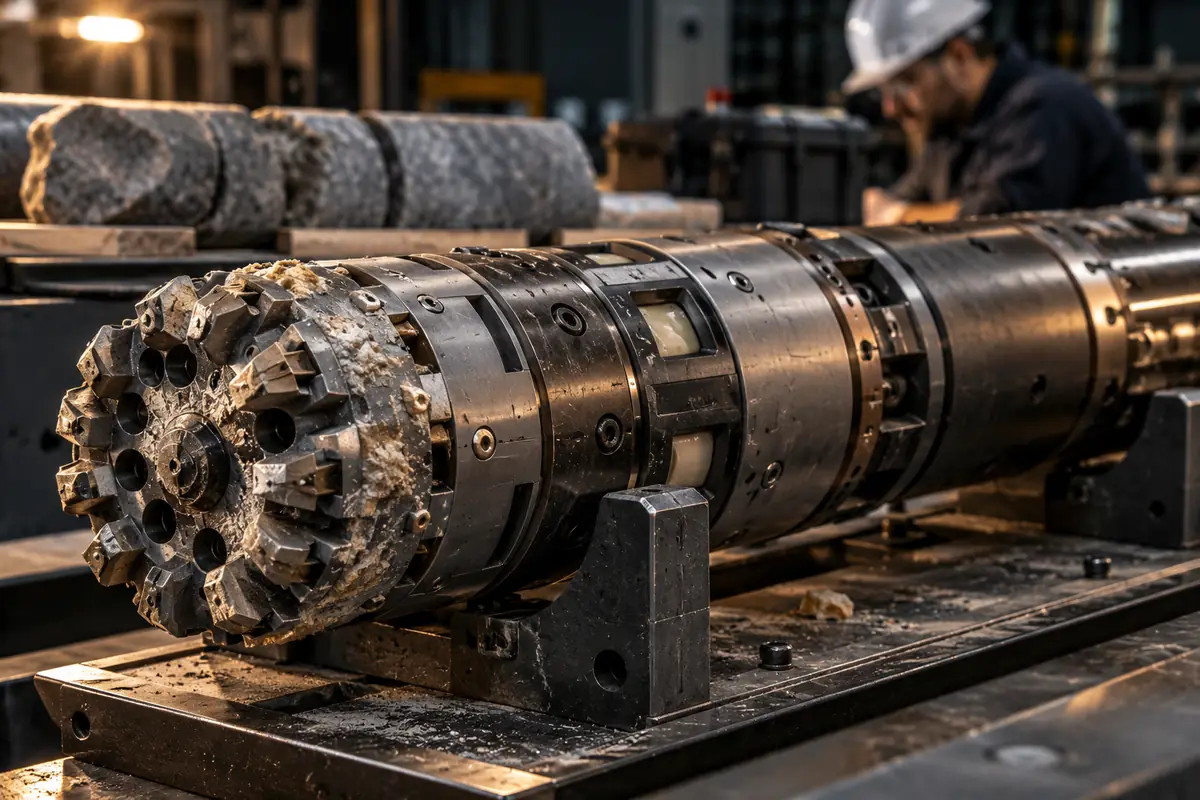
AI-generated concept imagery · imagined settings and equipment
Next review · October 2, 2026
A named public dataset and reproducible model-comparison protocol
Queued · Lead: Ben Đ Om
Acceptance: Fix predictions and residual metrics before comparison; define the scale of any cavity being tested.
Resources: Desk study. This is a planning allowance, not a funded commitment.
Download the experiment work pack · View the next work cycle
The vision
What this could become.
Make the inaccessible interior legible through samples, imaging, and eventually a remotely operated observatory. The motivating question includes testing claims about large hidden cavities and understanding what it would take for a human to directly view mantle material in its original environment.
Begin today
The first concrete step.
Compare candidate interior models with existing seismic and gravity observations. Investigate exposed mantle rocks and recovered core samples, then define a robotic borehole-imaging demonstrator for an appropriate test site.
The LSM connection
LSM may motivate alternative material or interior models, but each must reproduce existing geophysical observations and make a distinct quantitative prediction. Geometry alone does not establish a hollow Earth or a survivable route through the crust.
Current evidence & open ground
Seismic and gravity evidence support a layered Earth with a predominantly solid mantle. A planet-scale hollow interior conflicts with that evidence. Local cavities are a different geological question. Human entry to the deep mantle is beyond current demonstrated capability.
USGS — the interior of the Earth ↗Evidence and structure of the layered Earth.
USGS — mantle rock and magma ↗The mantle is largely solid rock, although it can deform over geological time.
Questions that move the work forward
- What observable would distinguish a proposed cavity from known geological structure?
- What temperature, pressure, rock stress, and communications envelope must a probe tolerate?
- Can a remote optical view answer the scientific question before considering a human-rated observatory?
The first human view is available now
People can examine mantle-derived rocks exposed at the surface. That is a useful starting point for a deeper program, while seeing the mantle in place from an inhabited chamber remains a separate, much harder goal.
Proposed milestones / not completed results
A path to evidence.
Compare predictions
A reproducible comparison of interior models against seismic and gravity data.
Advance when: Reject models that fail existing observations; record detection limits for local cavities.
See and sample
A mantle-rock field study and robotic borehole imaging prototype.
Advance when: Validate imaging and sample provenance under a specified environmental envelope.
Study the human horizon
A conceptual human-viewing architecture only after remote exploration succeeds.
Advance when: Require a credible pressure, thermal, structural, life-support, and rescue case.
Visitor feedback
Comments or suggestions?
Share your thoughts on Deepview. Your message goes to the site owner’s private inbox.
No sign-in required. Your message and optional contact details are saved privately for review, not published. Add an email address if you would like a reply; a response is not guaranteed. Please avoid sensitive information.